
After a successful rocket launch at Cape Canaveral, NASA’s first crewed mission of the Artemis program continued making strides on Thursday, while in Earth’s elliptical orbit.
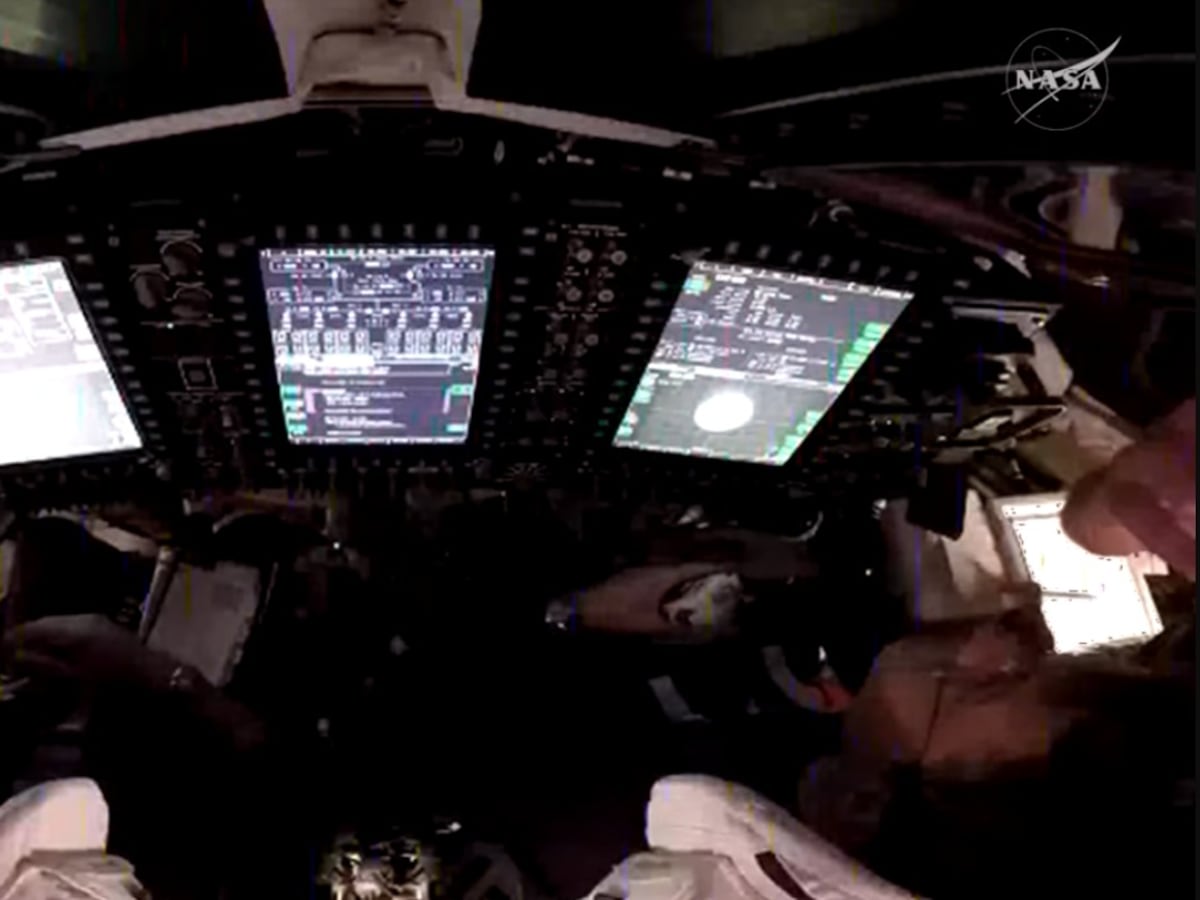
The four Artemis II astronauts traveling in the Orion spacecraft woke up to “Sleepyhead” by Young and Sick and continued working with a group of mission controllers in Houston.
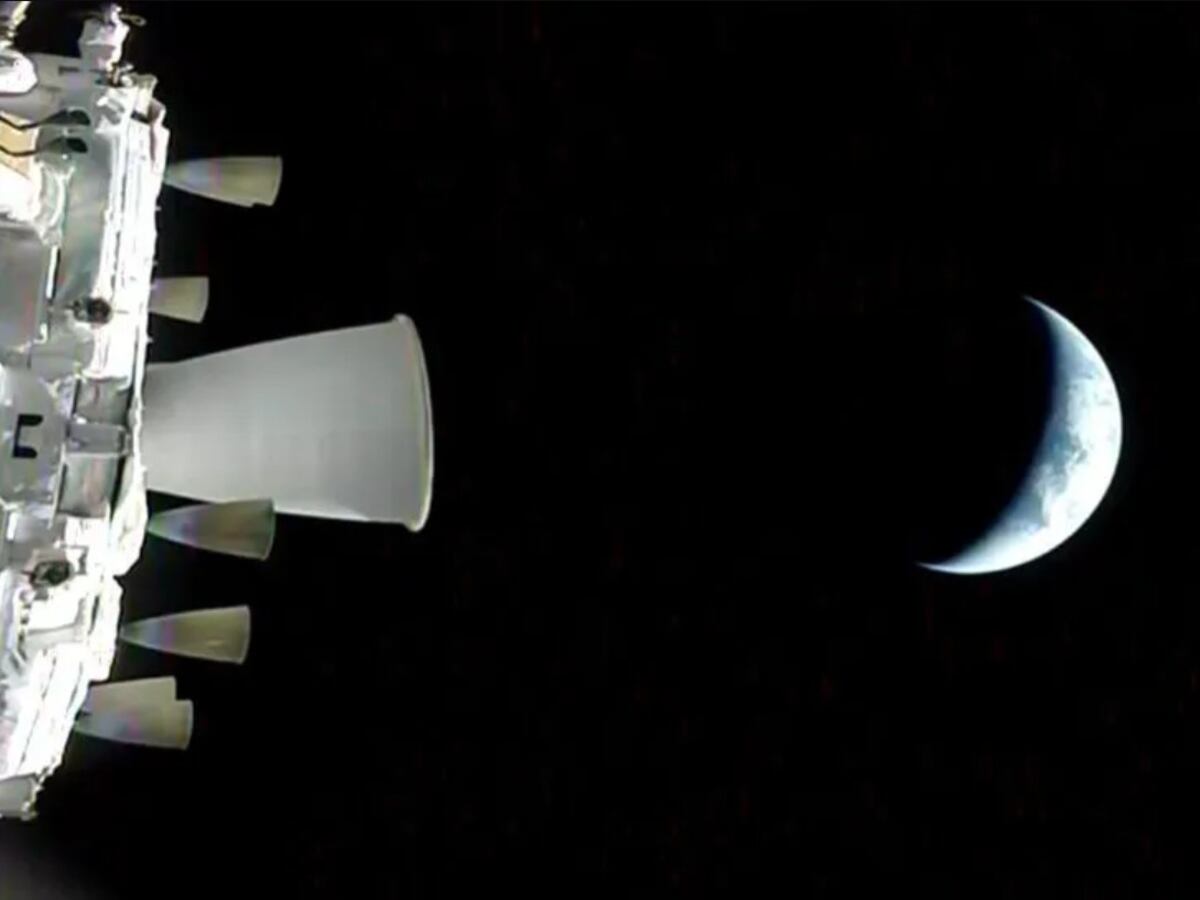
During preparations for their journey away from Earth on Thursday night, they were enjoying privileged views of our blue planet.
“It is just absolutely phenomenal,” NASA Astronaut Christina Koch, a mission specialist and engineer from Michigan, told mission controllers about the view.
The Orion capsule, Integrity, was on its way to a historic moon flyby mission with Koch, NASA Cmdr. Reid Wiseman, Pilot Victor Glover, and Canadian Space Agency Astronaut Jeremy Hansen.
“Pending the mission management team’s approval, the translunar injection burn is scheduled for 7:49 p.m. EDT and will last for five minutes and 51 seconds, producing a change in velocity of 1,272 feet per second, sending humans out of low Earth orbit,” NASA reported.
Integrity will trace a figure eight around the far side of the moon before returning home to a splashdown on April 10 in the Pacific Ocean.
Watch NASA’s coverage of Artemis II
Flight day 2 agenda
Wiseman and Glover started their day setting up and checking out Orion’s flywheel exercise device before getting in their first workouts.
Koch and Hansen exercised for the second half of the day. The morning workouts will provide another test of Orion’s life support systems before leaving Earth orbit.
Koch spent her morning preparing for the translunar injection burn, the last major engine firing of the Artemis II mission that will set Orion on the path to the Moon.
Koch will set up Orion’s system to perform the burn, done by Orion’s main engine on the spacecraft’s European Service Module.
The crew has a lighter day of activity, with time set aside to acclimate to the space environment.
Related stories
- Launch day coverage
- Get to know the astronauts
- Mission overview
- Artemis II’s moonbound toilet is working again to astronauts’ relief after overnight fix
Share your launch day photos
Learning from NASA encyclopedia
During the NASA livestream about the Artemis II mission, the acronyms SLS and ICPS are mentioned frequently and are both related to propulsion.
The SLS, which has nothing to do with the chain of five-star hotels and private clubs, is the Space Launch System, the powerful rocket designed for the Artemis program. The SLS was the primary launch vehicle on Wednesday at Cape Canaveral. In a single launch, it propelled the Orion capsule to space and may one day send humans to Mars.
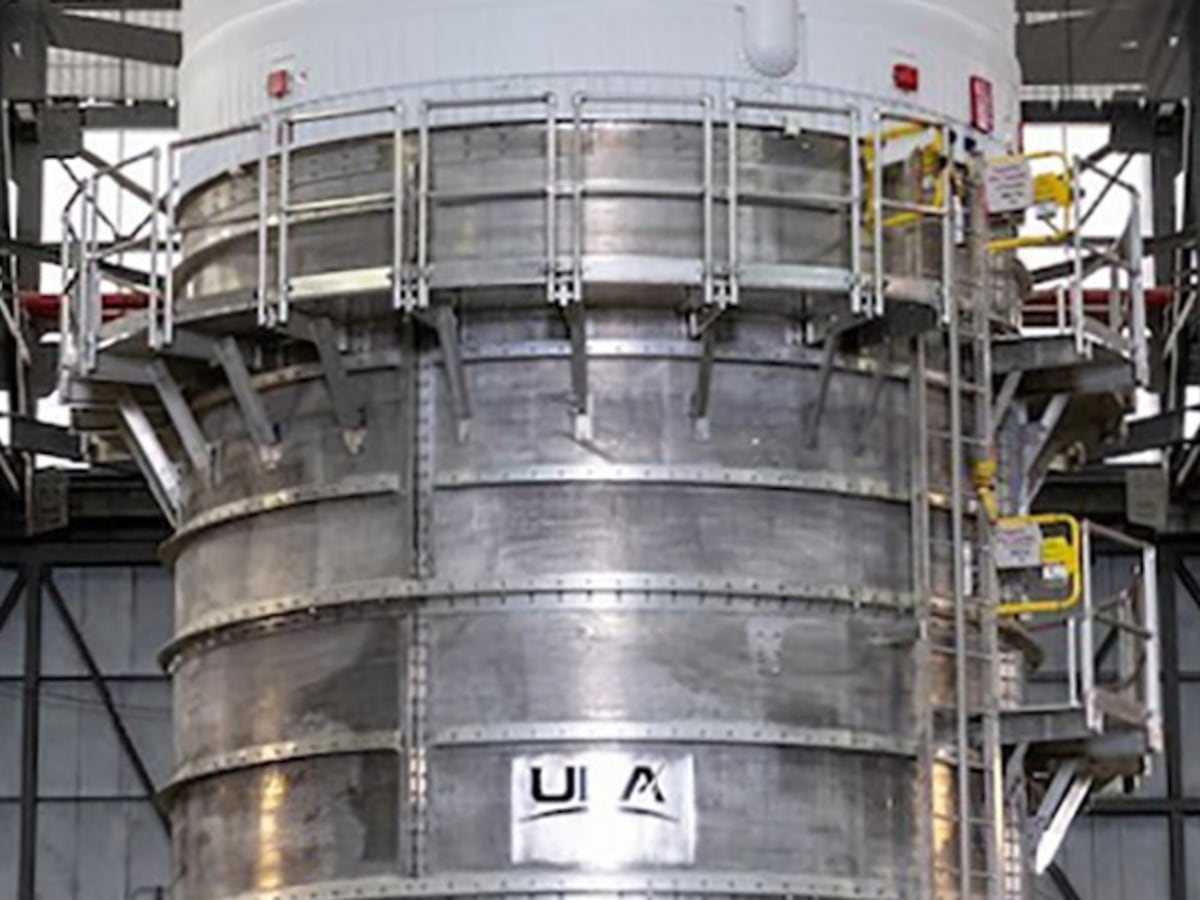
The ICPS, which is not related to the International Carnivorous Plant Society or the International Conference of Physics Students, is the Interim Cryogenic Propulsion Stage, which will provide in-space propulsion to the Orion capsule.
Liquid hydrogen and liquid oxygen are the propellants. The ICPS is 43 feet high and has a diameter of 17 feet. It has one Aerojet Rocketdyne RL10 engine. The contractors involved were Boeing and the United Launch Alliance.
VIEW GRAPHIC: The ICPS details
